Nobody Buys Adaptation
The TAM for adaptation solutions looks thin because 'adaptation solutions' is not a market — it's a description, and it has the same defect as 'water solutions.'
There's a good post circulating this week arguing the Total Addressable Market for adaptation solutions is thinner than the boosters claim. The observation is correct. The diagnosis, I'd argue, is one layer off. The TAM looks thin because 'adaptation solutions' is not a market — it's a description, and it has the same defect as 'water solutions,' a phrase the sector has spent a decade discovering is worthless. Both are broad and narrow at the same time. 'Water solutions' is expected to hold drinking water quantity and quality, wastewater, flooding, and drought in one bag, while simultaneously telling every buyer outside the utility sector that this isn't for them. 'Adaptation solutions' inherits it exactly.
We use 'hydroclimatic risk' for a reason, and the reason is precision, not branding. 'Water risk' is the obvious alternative and it fails, because it tethers the conversation to the water industry — utilities, pipes, treatment, the regulated business of delivering and cleaning water. That industry is not our focus. Hydroclimatic risk names something different: the financial and operational damage that climate-driven water behaviour inflicts on assets and balance sheets, whoever owns them. It names the hazard and the party bearing the loss without implying the buyer is a utility. But I'll turn the knife on myself here. Not one of our portfolio companies walks into a customer meeting selling hydroclimatic risk. Ask their founders what economy they're in and you'll hear port operations, or insurance, or highways, or lake management. The umbrella is ours, not theirs — it's how Mazarine Climate screens, underwrites, and constructs a portfolio, and it does that job well. Umbrella terms earn their keep at the thesis level. They earn nothing at the TAM level, which is why we built ours from the bottom up: buyer pools, spend per buyer, exposure penetration, sector by sector. That work is published at mazarineclimate.com/ecosystem/sector-maps. A top-down number derived from an umbrella is a press release. A bottom-up number derived from named buyers is an investment case.
So what is actually being sold, and bought?
Four headaches, and they show up on real cost centres.
Public health and safety
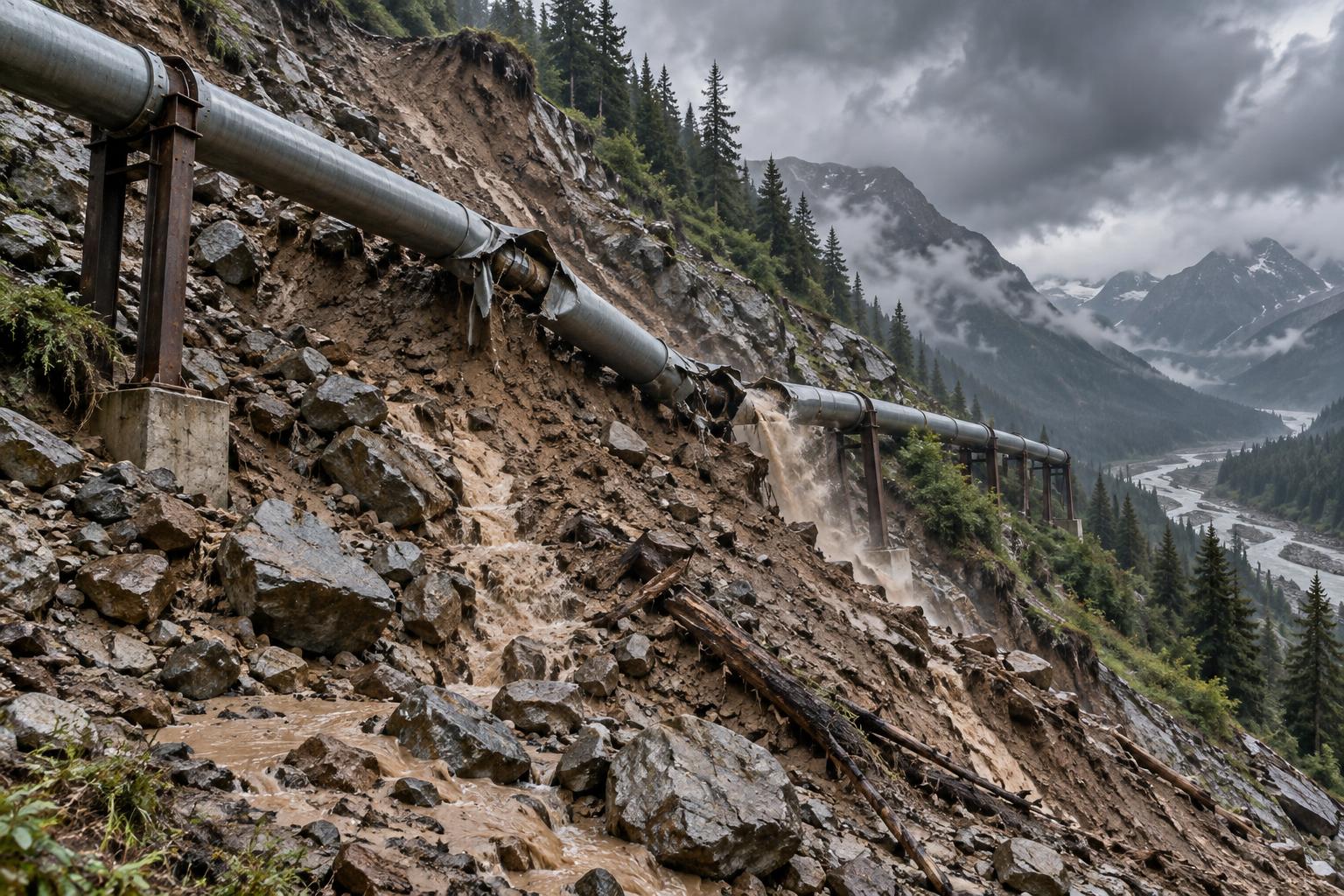
At the household and company level this is fatalities and injuries. Flash flooding in the wrong place at the wrong hour, a saturated slope above a road, contaminated drinking water, a swimming beach with a toxic bloom. Somebody is accountable for whether people get hurt, and that accountability has a name, a budget, and a liability attached to it.
Business disruption
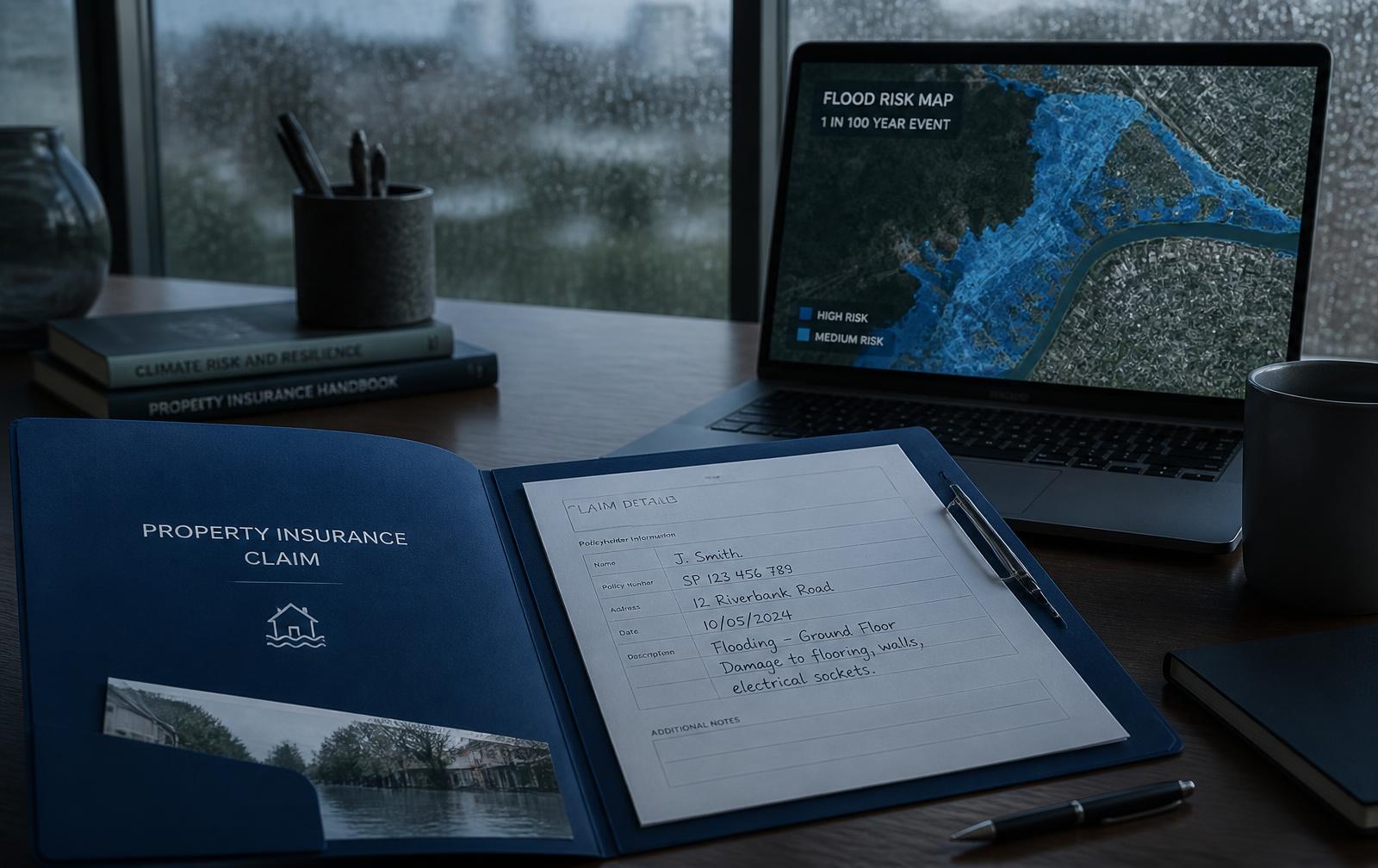
Continuity risk. The plant that can't take in cooling water, the terminal that can't work the berth, the mine that can't move ore, the retailer whose inventory sat in a metre of water. Days of lost output are already measured, already forecast, already reported to a board. Water is simply one of the mechanisms that takes them away.
Economic development
Broader than any single operator. When a massive rain event washes out the road, the damage isn't the pavement — it's every business on both sides of the gap, across every industry, for as long as the detour lasts. Regional economies price this. So do the lenders, insurers, and public authorities who finance them.
Biodiversity
Too much water, too little, or impaired water, and flora and fauna are decimated. In the water itself that's fish kills, hypoxia, and algal blooms closing beaches and fisheries. On land it runs through the pollinators: drought shortens and thins the bloom, rainfall arrives out of phase with it, wet springs wash out ground-nesting bees, and colonies enter winter underfed. Lose the pollinators and you lose orchard and row-crop yields across the surrounding counties — a water story that arrives as a farm income story. Either way the knock-on effects run through everything tied to the region's living systems: tourism and recreation, fisheries, farming, guiding, property values on the lake. An ecological event and a revenue event in the same week.
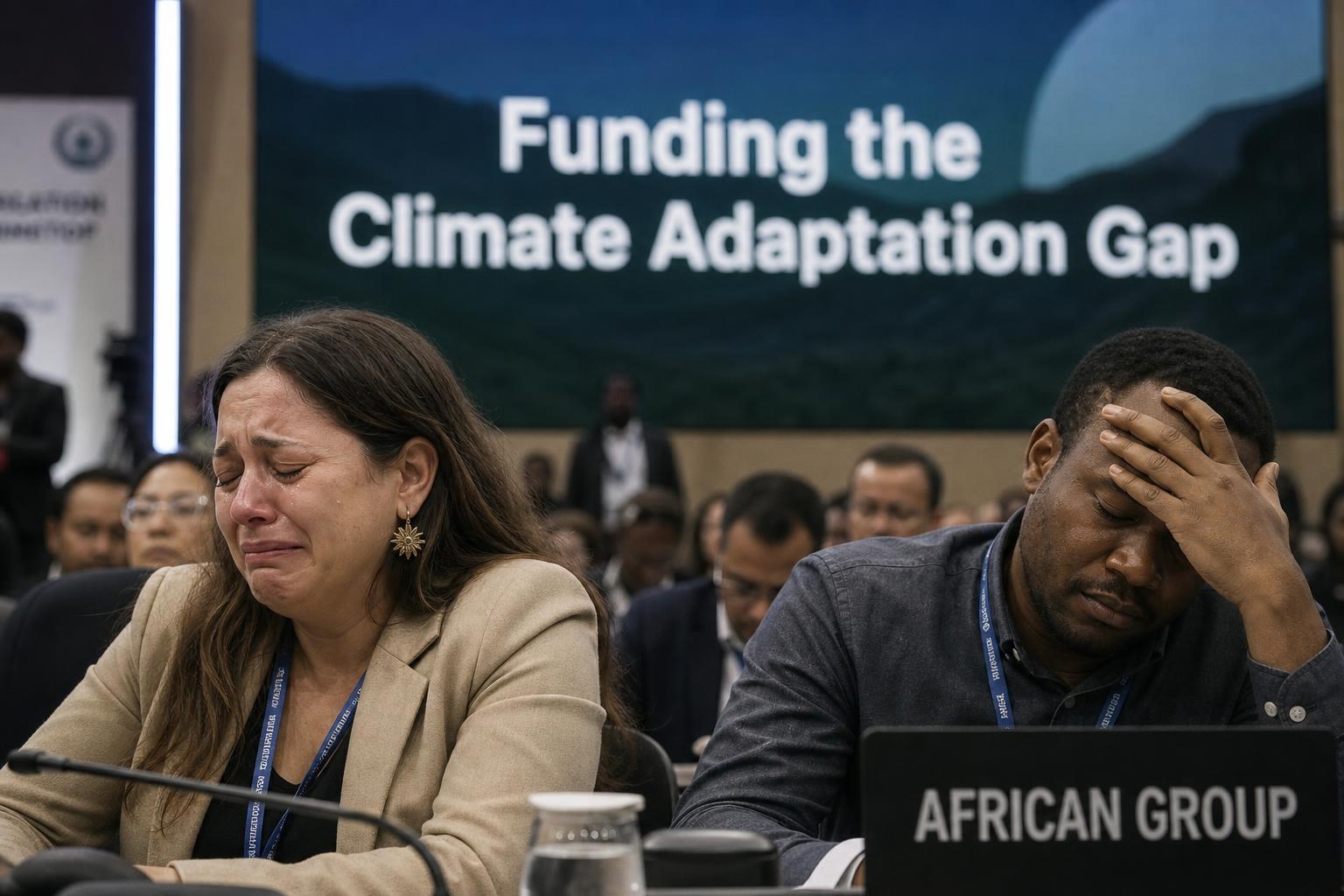
Every one of those customers is adapting. The adaptation economy is real, and it's precisely where our companies operate. But the customer didn't wake up wanting to adapt — they woke up wanting the water off the road, the berth working, the beach open, the hives alive, the loan performing. Adaptation is the word we apply afterwards, from the outside, to describe what they did. Which is why the only people running searches for 'adaptation solutions' are academics and climate finance professionals cataloguing a funding gap, and why those searches will disappoint every time. The gap they're measuring is Total Addressable Need. It is not a market until someone is compelled to pay, against a named hazard, from a budget that already exists. Companies that foreground adaptation as their value proposition are selling a category label to customers who buy line items, and it will keep going badly for them. Companies that sell fewer injuries, fewer lost days, roads that stay open, and lakes that stay alive will keep growing through the same weather. Words do work in this industry. Framing isn't packaging around the investment case — a good part of the time it is the investment case, because narrative decides what gets funded and what waits another five years for a better sentence.
Selling line items, not labels?
Mazarine Climate backs companies that turn hydroclimatic risk into priced, asset-level decisions. Read our thesis, explore our sectors, or get in touch.