
Sector focus

Hydroclimatic risk is unevenly distributed. Our portfolio isn't.

We invest where the pain is driving major spending. Mazarine Climate concentrates on four sectors on the front lines of climate-driven water risk — each with real budgets, urgent timelines, and a clear willingness to buy.

Linear assets
01
Built environment

Linear assets

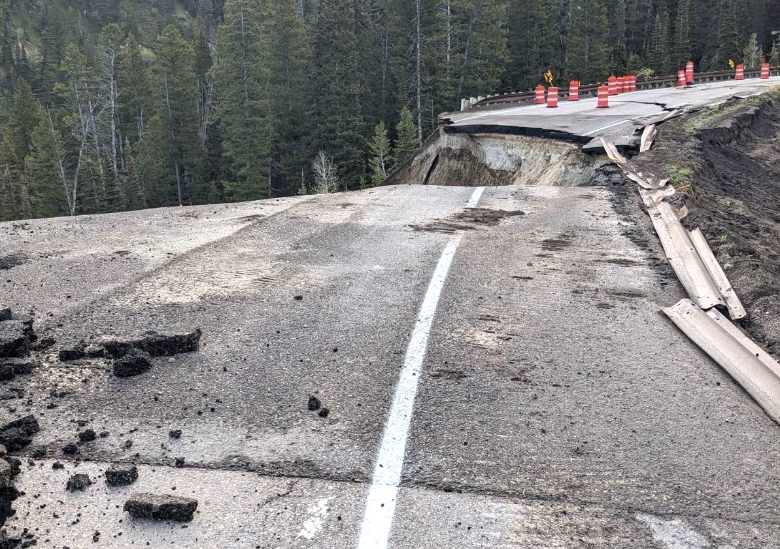
Roads, rail, and pipelines face growing hydroclimatic risks — floods, erosion, saltwater intrusion, sedimentation, freeze-thaw cycles, drought-induced soil shifts, groundwater changes, and wildfire-driven hydrological impacts.

Verticals · Roads · Railways · Pipelines
Why we're bullish on this vertical →
Coastal infrastructure
02
Coastal

Coastal infrastructure

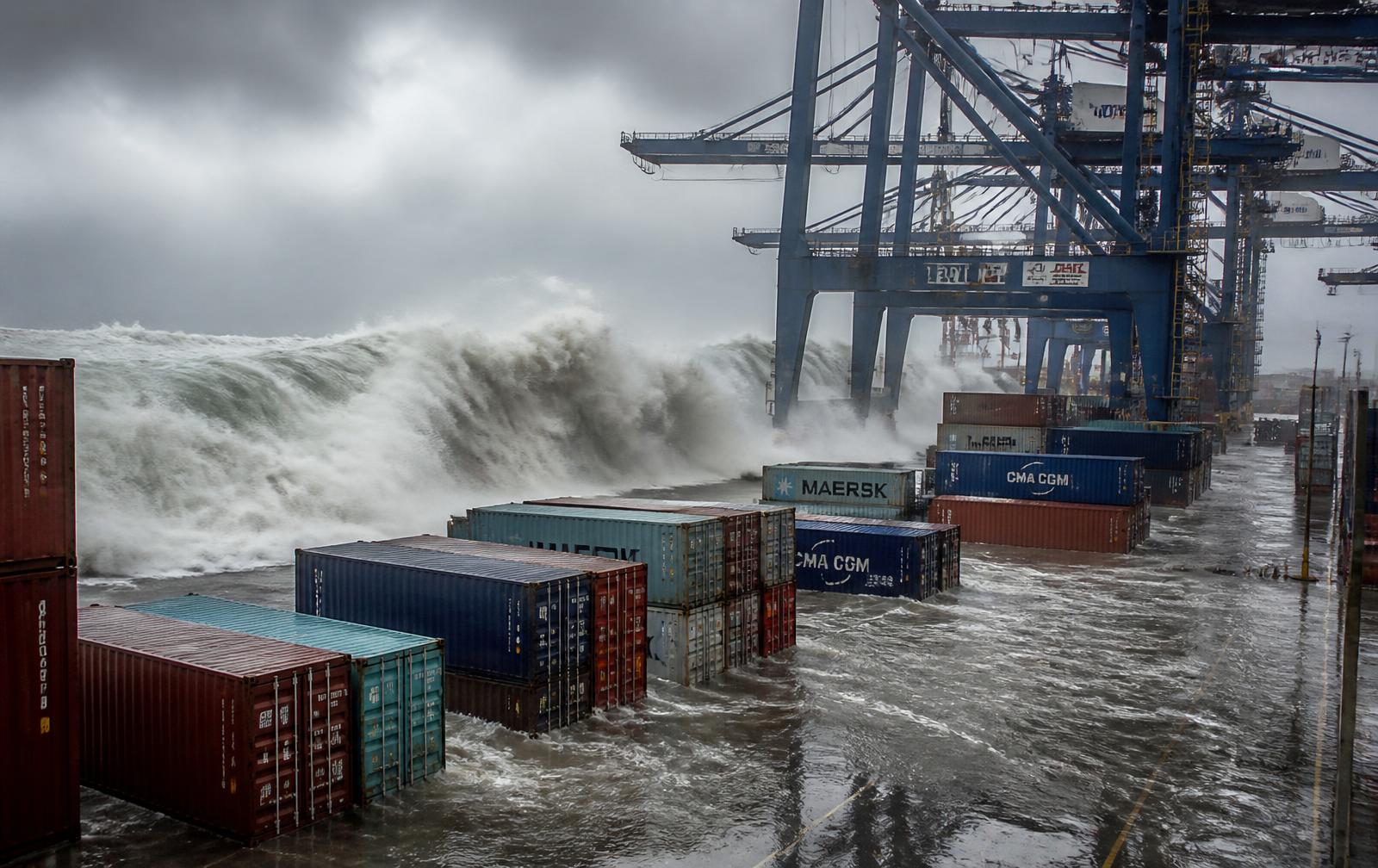
Ports, harbours, marinas, and coastal assets — both constructed and natural — are increasingly at risk from sea level rise, storm surges, saltwater intrusion, algal blooms, and erosion.

Verticals · Ports · Harbors · Coastal assets
Why we're bullish on this vertical →
Finance, Insurance & Real Estate
03
F.I.RE.

Finance, Insurance & Real Estate

The FIRE sector faces significant hydroclimatic risk over the coming decade — spanning urban drainage, declining groundwater supplies, repricing of cat models, and physical-risk disclosure requirements.

Verticals · Finance · Insurance · Real estate
Why we're bullish on this vertical →
Power generation
04
Power

Power generation

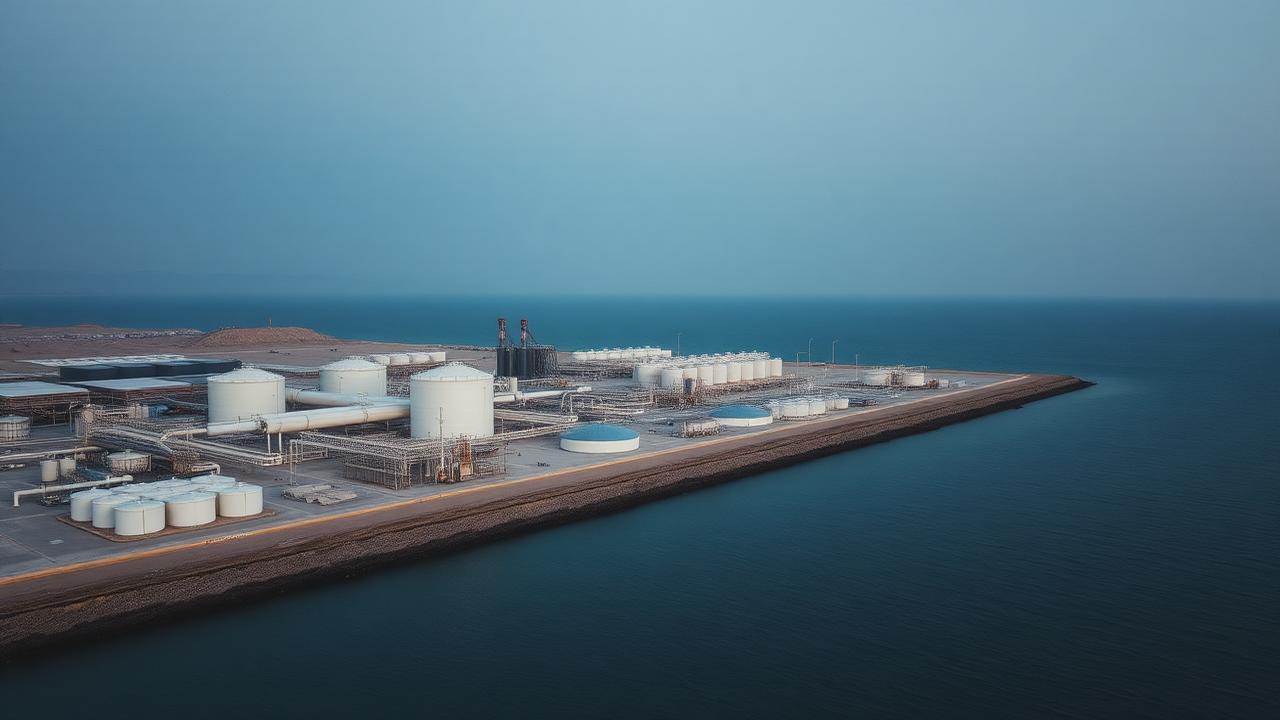
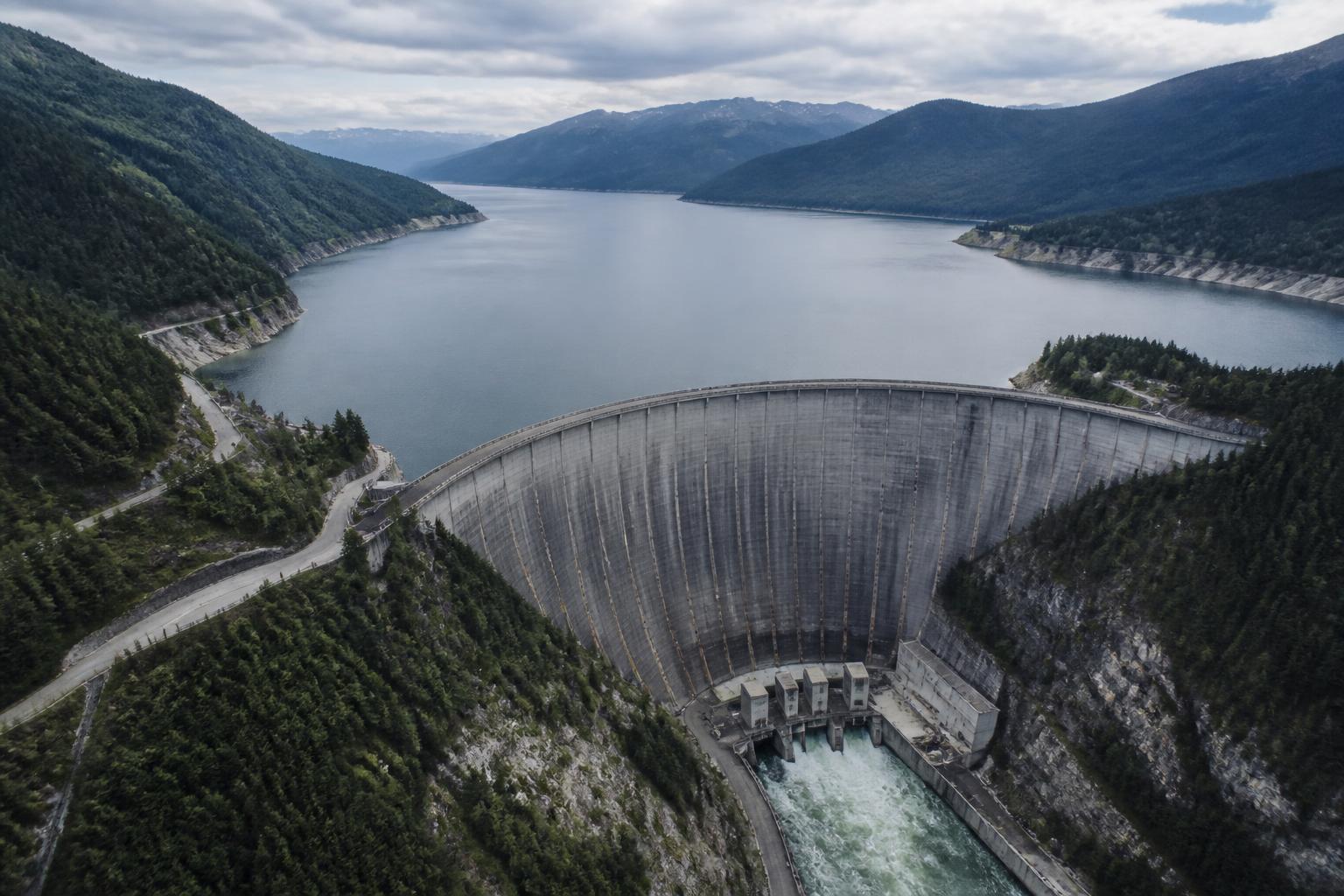
Hydro and thermoelectric power generation face increasing water quantity and quality risks in the new climate reality — scarcity and drought, flooding, and impaired source water.

Verticals · Thermoelectric · Hydroelectric
Why we're bullish on this vertical →
What we don't invest in

What about drinking water and “new-water” tech?

Three areas we're often asked about. All attract excellent specialist investors already, and we've stepped aside to let them lead — focusing our own capital where we can add the most. The water industry is full of well-intentioned, capable professionals and will continue to attract investors. It is simply not Mazarine Climate's focus. Our weight sits squarely on the “too much water” side of the ledger; our scarcity exposure is narrowed to power generation, where snowpack-dependent hydro and cooling-dependent thermoelectric assets face existential availability risk.

Drinking water & wastewater utilities
Slow buyer

Drinking water & wastewater utilities

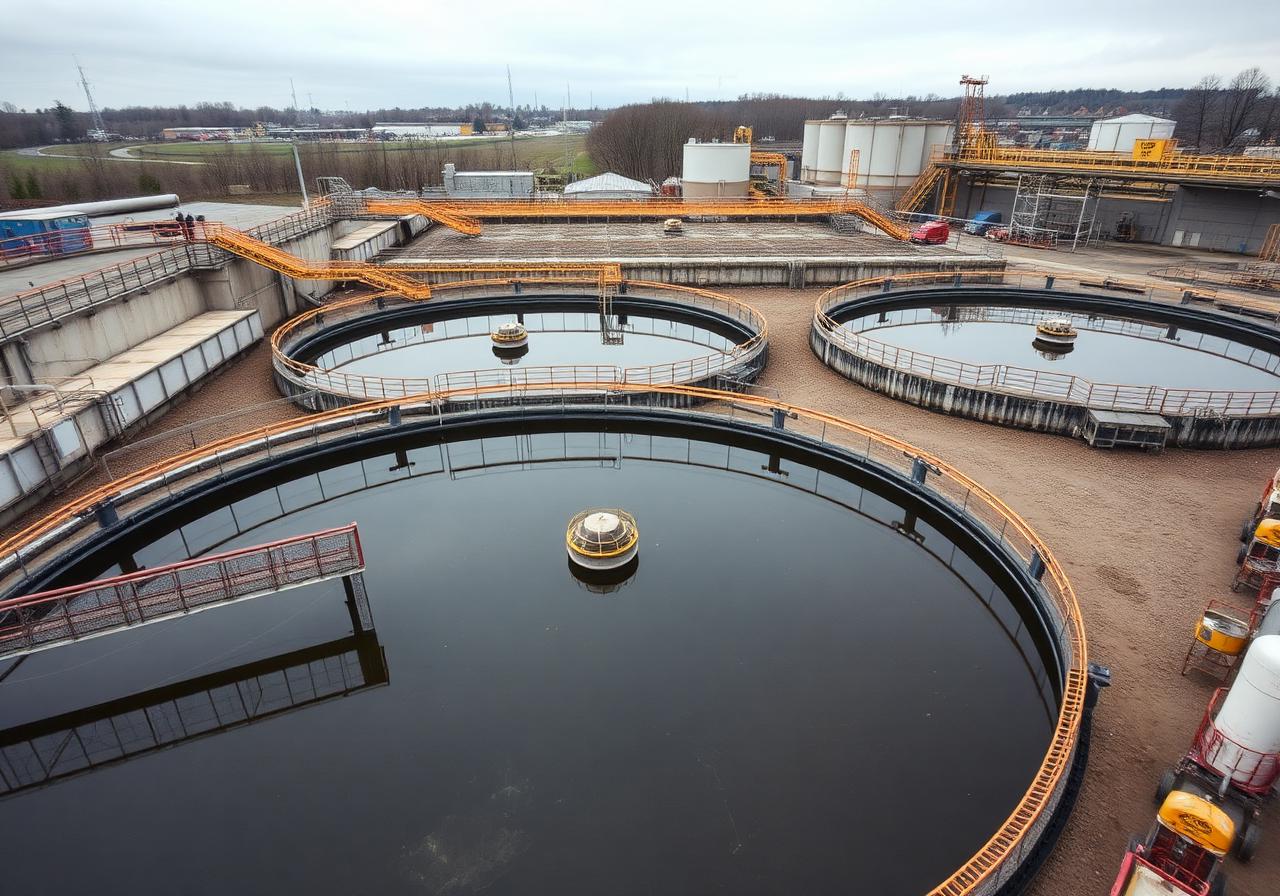
Public and private water utilities face significant challenges in a changing climate, but many remain bureaucratic and risk-averse. Slow procurement cycles, strict regulations, budget constraints, and a preference for proven technologies make this market a poor fit for venture-scale adoption.

“New-water” generation — AWG & desalination
Politicized buyer

“New-water” generation — AWG & desalination

Atmospheric Water Generation, large-scale desalination, and similar technologies that create new water supply are technically impressive — but the moment you sell delivered water, you enter the world of tariffs, utilities, regulators, and local politics. Pricing inertia and bureaucracy slow adoption to a pace that rarely fits venture-scale outcomes. Our scarcity focus stays narrow: power generation, where water-availability risk is existential and the buyer pays for resilience, not for delivered water.

Wait, so this isn't a water fund?

No. We don't invest in the “water industry.” Our thesis sits in the broader realm of hydroclimatic risk — SDG 13 (Climate Action), Adaptation side — across four sectors on the proverbial front lines of climate-driven water headaches.