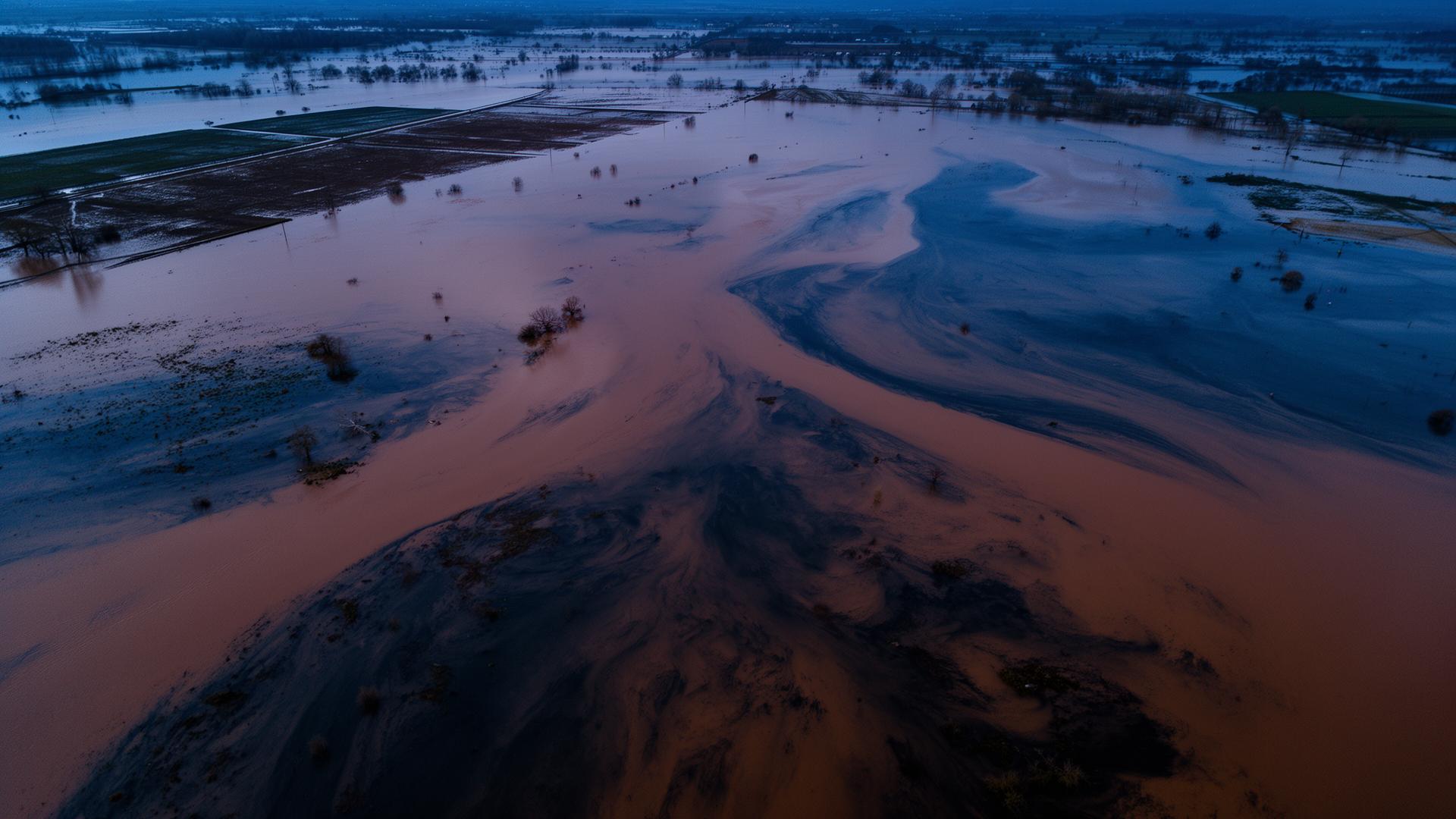
Frozen Assets, Thawing Risks
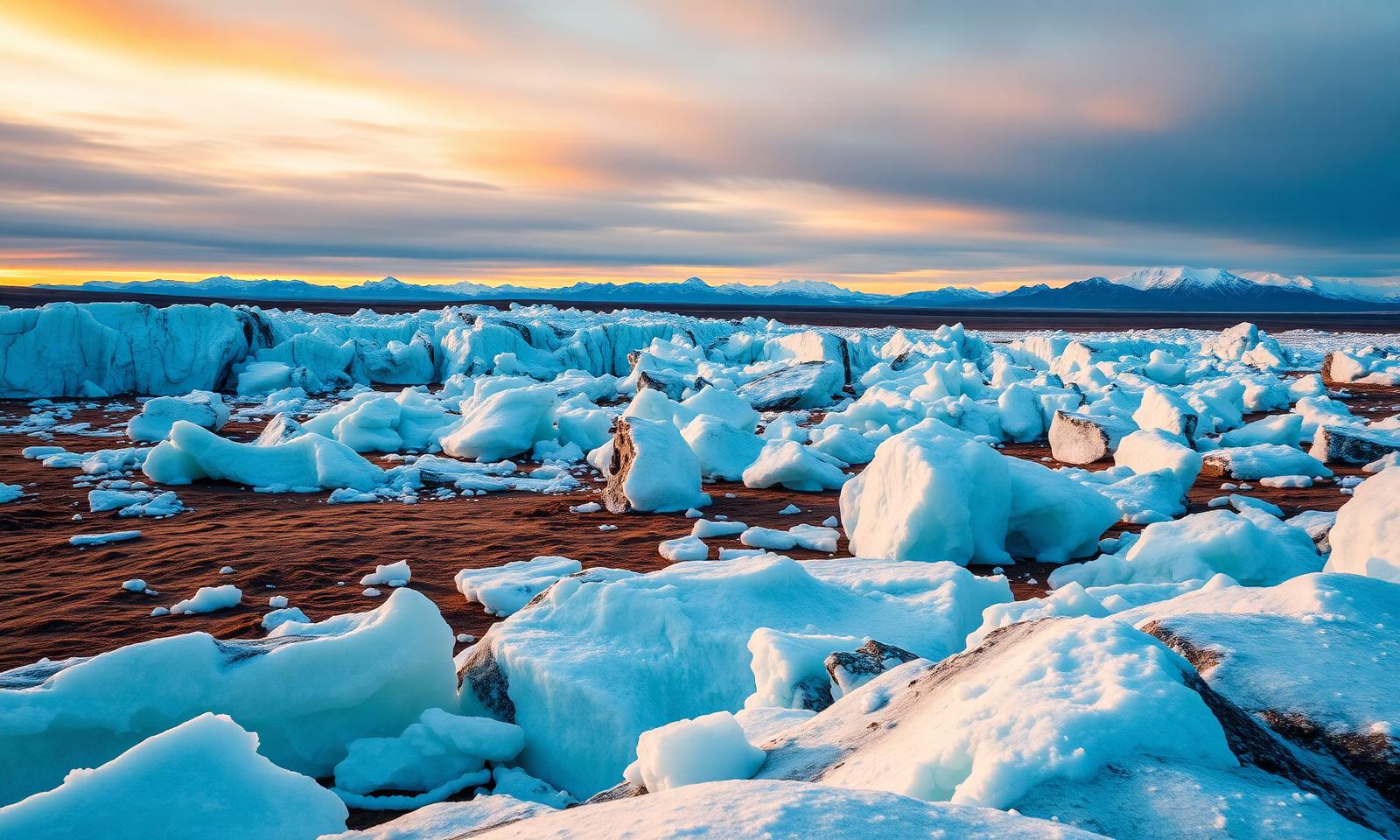
Why the cryosphere is the most compelling — and underserved — corner of the hydroclimatic risk landscape.
The cryosphere — the planet's permafrost, sea ice, glaciers, and seasonal snowpack — is changing faster than any other Earth system. For investors building a hydroclimatic risk thesis, that's not a curiosity. It's where the signal is strongest, the capital is moving, and the data infrastructure is most underbuilt. Three reasons cold regions deserve a dedicated allocation of attention:
1. The Highest-Beta Exposure to Climate Change
Polar amplification is driving Arctic warming at two to four times the global rate, with alpine systems close behind. The physical consequences are already measurable: permafrost degradation undermining foundations and linear infrastructure, shifting snow water equivalent reshaping hydropower and downstream water supply, and glacial retreat altering flood and drought regimes across entire watersheds. Cold regions are the leading indicator for hydroclimatic risk globally — what's quantifiable in the cryosphere today reframes the risk models everywhere else tomorrow.
2. Material Assets, Misaligned Tooling
The economic footprint of cold regions punches well above their population: northern energy corridors, transmission, mining, defense installations, coastal communities, ski and tourism economies, and emerging Arctic logistics routes all rest — literally — on ground that was reliably frozen and increasingly isn't. Asset owners and the AEC firms advising them need instrumentation, geotechnical testing, and monitoring stacks engineered for sub-zero performance and remote deployment, not temperate-climate tools rebadged for the north. The mismatch between asset value at risk and purpose-built tooling is the commercial opening.
3. A Defensible Whitespace
Cold-climate work has real technical moats: hardware that survives –40°C and ice loading, field methods proven in remote conditions, and domain expertise concentrated in a small global bench of engineers and scientists. The market today is fragmented across niche specialists, with no clear platform consolidating lab testing, field monitoring, satellite and drone-based remote sensing, and real-time data into a single decision-support layer. For investors, that combination — accelerating demand, high technical barriers, fragmented incumbents, and a category still being defined — is the textbook setup for building a category leader rather than chasing one.
The cryosphere isn't a niche within hydroclimatic risk. It's the leading edge — and the part of the map where a well-positioned platform can still claim the territory.