Stop Selling the Resource. Sell the Loss.
Why stewardship language wins applause and loses budgets.
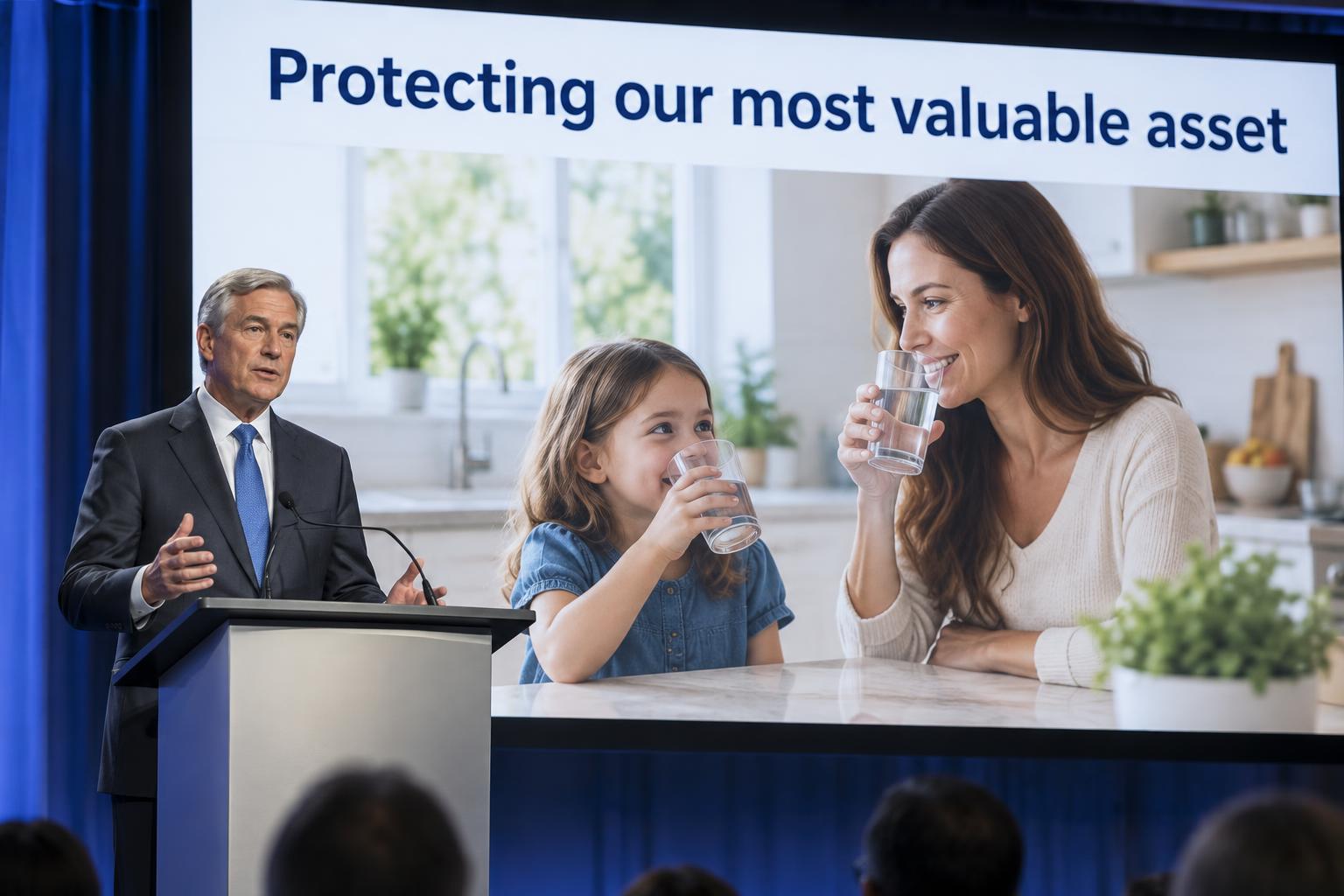
Most water-technology pitches open with the wrong sentence. They describe how precious the resource is, when the buyer across the table is paying to avoid a specific loss.
1. Stewardship earns agreement, not purchase orders
"Protecting our most precious resource" lands well on a panel. It maps to no cost center, no line item, and no person accountable for a number. Agreement is not demand.
2. Every good product already sits on a priced failure mode
An algal-bloom monitor is not a stewardship tool. A bloom that shuts a power plant's cooling intake is lost megawatt-hours. The same bloom on a recreational lake is lost rental income and softer property values. The loss was always there; the pitch just didn't name it.
3. The three-part test: hazard, buyer, avoided loss
If a founder can name the hazard, the party that carries it, and the loss avoided in one sentence, there is a market. If the sentence needs the word "important," there usually isn't one yet.
4. Risk language reaches buyers outside the water industry
Utilities have thin wallets and long procurement cycles. Power operators, ports, insurers, and lenders carry hydroclimatic risk on their balance sheets and have budgets for it. Changing the vocabulary changes who picks up the phone.
5. Investors underwrite losses, not values
Loving water is a fine reason to start a company and a poor reason to underwrite one. The founders who reframe early raise faster and sell faster.
Mazarine Climate backs founders who name the loss in the first line of the pitch. We don't invest in water; we invest in what it threatens.
Mazarine Climate tracks 159+ early-stage companies classified as hydroclimatic risk.