Why We Don't Say "Global Water Crisis"
A phrase that describes need, not a market.
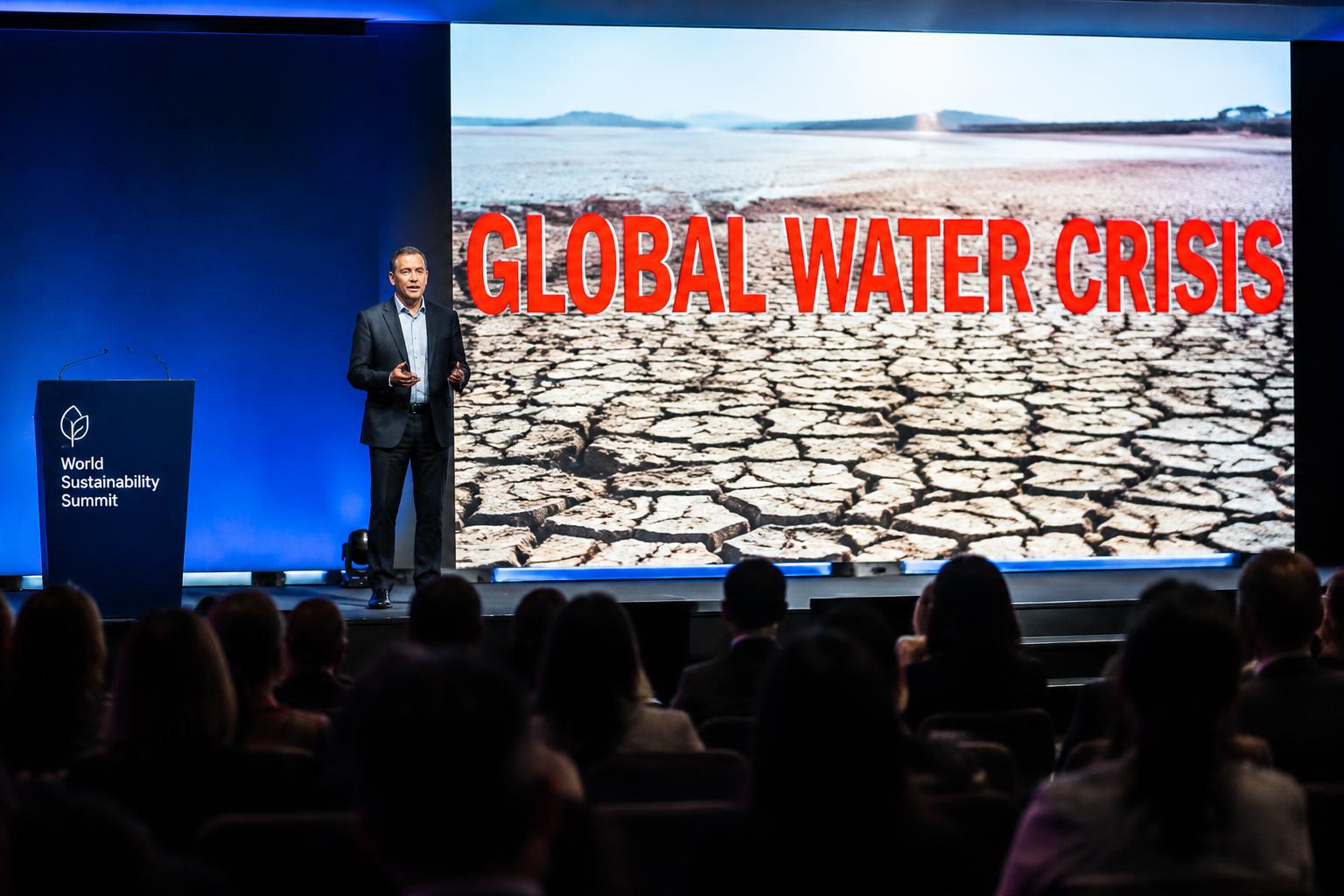
"Global water crisis" may be the most repeated phrase in water, and we've stopped using it. It is sincere and well-meaning, but it makes the opportunity harder to see.
1. It collapses unrelated problems into one
Drinking-water access in one region, aquifer depletion in another, and coastal flooding in a third have different causes, buyers, and solutions. Calling them one crisis hides all three.
2. It describes need, not a market
Need is real everywhere. A market exists only where someone is compelled to pay, against a named hazard, from an existing budget.
3. It attracts sentiment-driven capital
Crisis language pulls in capital that wants to feel good rather than capital that can underwrite risk, and that capital tends to leave when returns disappoint.
4. It hides the most investable corners
Much of the opportunity sits in excess and impairment — floods, surge, blooms — which "crisis" framing, centered on scarcity, overlooks.
5. Specific language does better work
Naming the hazard, the asset, and the loss avoided gives founders, buyers, and investors something to act on.
Mazarine Climate uses the language of hydroclimatic risk because it points to buyers and losses, not just needs. Precise words attract precise capital.
Mazarine Climate tracks 159+ early-stage companies classified as hydroclimatic risk.