
Nobody Underwrites a Weed
Aquatic invasive species are the other half of hydroclimatic risk — and almost nobody prices them.
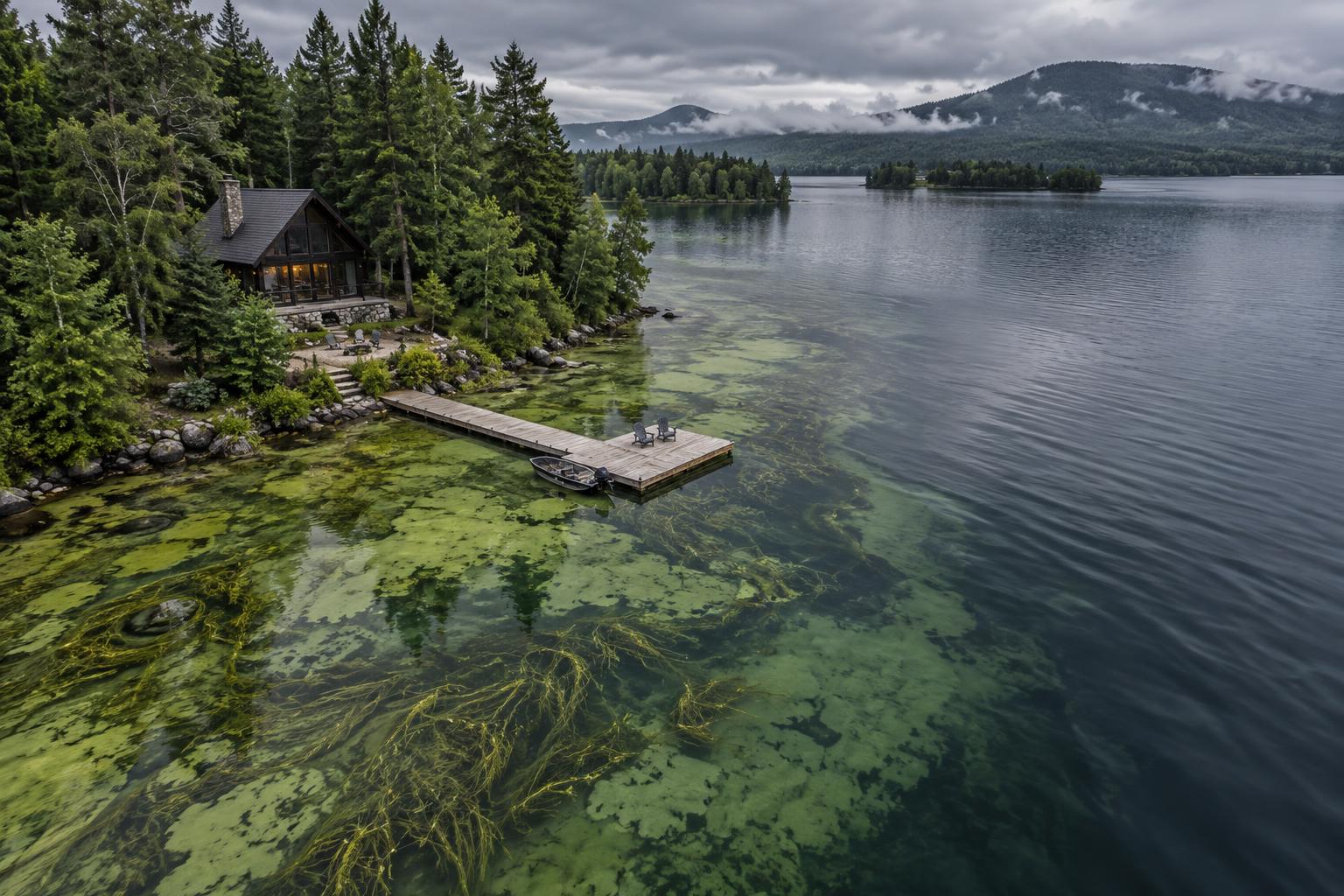
Hydroclimatic risk isn't only floods and droughts — sometimes it arrives as a mussel or a weed. Warmer, more variable water is helping aquatic invasive species spread, and the losses land on balance sheets that never modeled them.
1. "Too dirty" is a hazard class, not a footnote
Most climate-risk conversations stop at too much and too little water. Impaired water, including biological impairment from invasive species, is the half that gets skipped, even though it shuts infrastructure down just as effectively.
2. The damage is operational and financial
Invasive mussels foul intakes, pipes, and cooling systems at power plants and industrial sites. Invasive vegetation chokes reservoirs, navigation, and recreation. Each is a maintenance bill, an outage, or a revenue drop with a name on it.
3. F.I.RE. carries the impairment and doesn't see it
Lakefront property, marinas, resorts, and the loans and policies written on them all depend on a living, usable water body. When it degrades, asset values follow, yet no appraisal, underwriting file, or loan covenant currently asks the question.
4. Detection has become cheap enough to matter
Environmental DNA sampling, in-situ sensors, and satellite monitoring can now catch an invasion early, when it is still manageable. Early detection turns an uninsurable surprise into a measurable, priced exposure.
5. The buyer is the asset owner, not the conservation agency
Public agencies will keep doing vital eradication work. The commercial market forms when owners, insurers, and lenders realize they are holding the loss and need data to manage it.
Mazarine Climate invests in the observation layer that makes hidden hydroclimatic risks visible to the people who carry them. If nobody underwrites a weed today, someone will once the data exists.
Mazarine Climate tracks 159+ early-stage companies classified as hydroclimatic risk.