
Confusing for a Moment. Then Obvious.
For investors who send us "water deals" — why many don't fit, and where to route them.
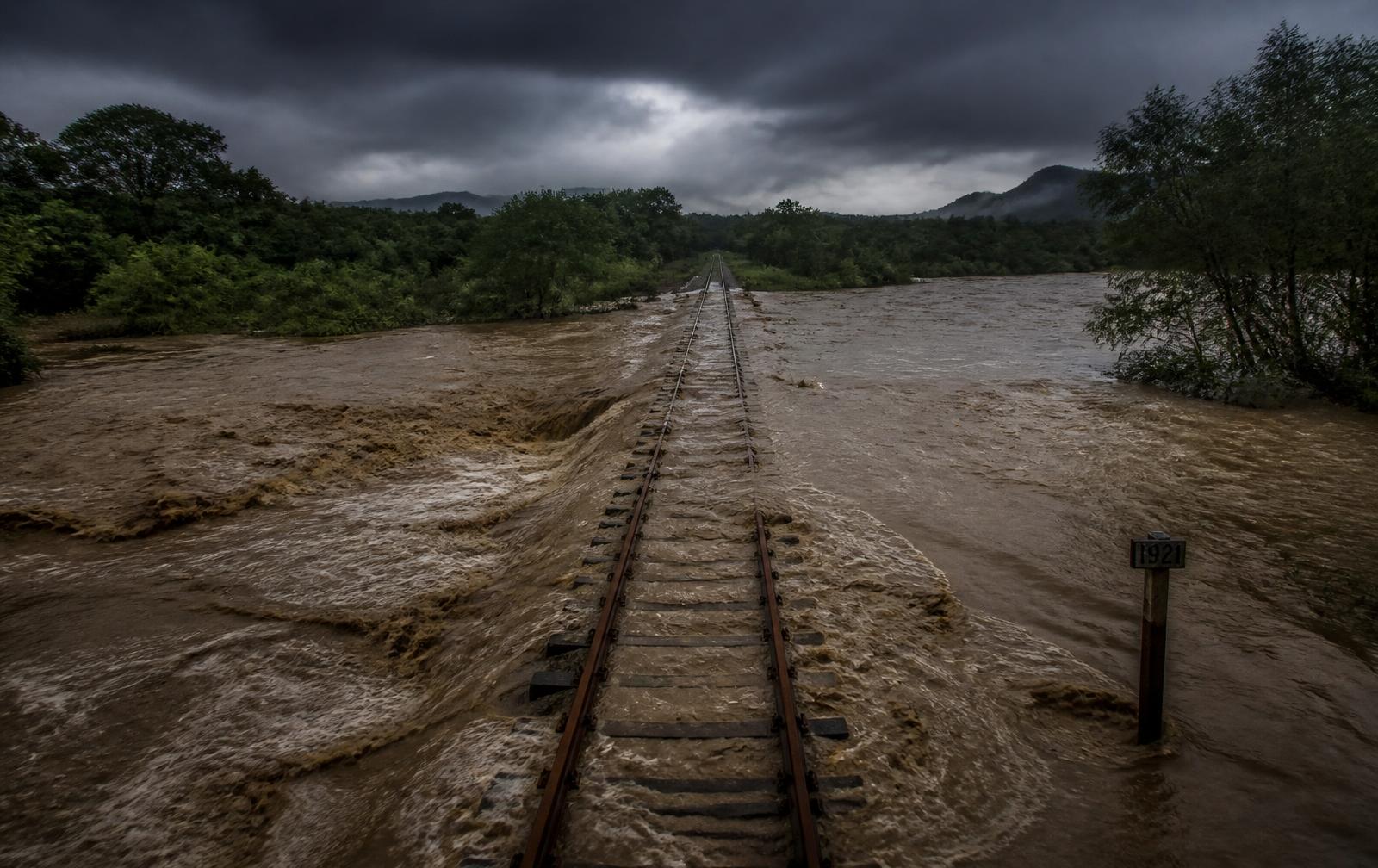
If you've sent us a promising water deal and we passed, this explains why. We moved from investing in water broadly to investing in hydroclimatic risk, and the difference is confusing for a moment, then obvious.
1. Many good water companies aren't our companies
Treatment, pipes, pumps, and utility software are real businesses with real buyers. They belong in the portfolios of funds built for the water industry, not ours.
2. Water is a risk factor, not just a sector
Climb from the pipe to the balance sheet and the question changes from "how do we deliver water?" to "who carries the loss when water turns destructive?" That higher-altitude view is where our thesis lives.
3. That view leads to four sectors
Finance, insurance, and real estate; linear assets such as roads, rail, and pipelines; coastal infrastructure; and power generation. Each combines acute exposure with buyers compelled to act by regulators, insurers, or their own balance sheets.
4. Routing is simple once you see it
If the customer is a water utility or the product moves and treats water, route it to a water-industry fund. If the customer is an insurer, lender, port, rail operator, or power producer managing hydroclimatic exposure, route it to us.
5. The water industry deserves real credit
It keeps people alive and economies running, and its best investors know it deeply. Our thesis isn't a criticism of that work; it is a bet on a different, faster-growing set of buyers.
Mazarine Climate invests in everyone else's exposure to water. Send us the deals where water threatens an asset, and we'll send back the ones where it's the product.
Mazarine Climate tracks 159+ early-stage companies classified as hydroclimatic risk.